
When it’s time to invest in new agricultural machinery — whether it’s a tiller, a sprayer, a dumper, or a generator platform — one of the first decisions you’ll face isn’t about horsepower or brand. It’s simpler than that: tracks or wheels?
The answer isn’t universal. It depends on your soil, your terrain, your budget, and what you’re actually trying to accomplish. This guide breaks down the real differences so you can make a confident decision — not a guess.
The Core Difference: Contact Area and Weight Distribution
A wheeled machine puts its weight on four relatively small contact patches. A tracked machine spreads that same weight across a much larger surface area — often 3 to 5 times more ground contact.
That single difference explains almost everything else on this list: traction, soil compaction, stability, and where each type performs best.
When Tracked Equipment Makes Sense
- Soft, muddy, or wet ground
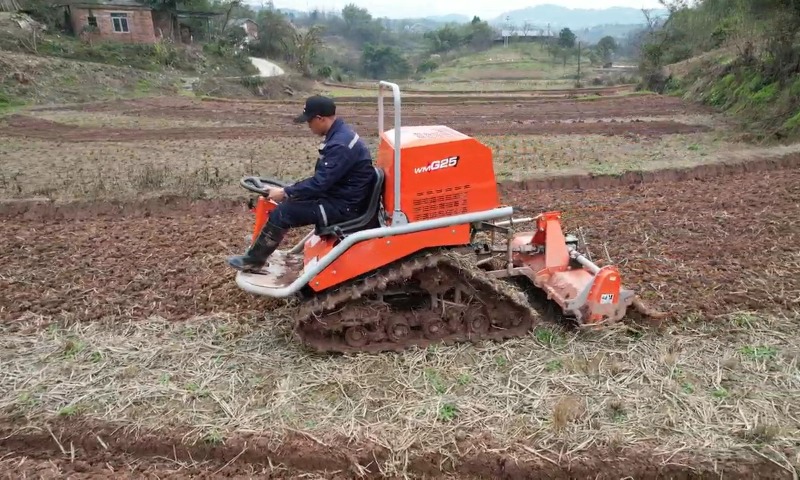
If your fields flood seasonally, sit on clay-heavy soil, or turn to mud after rain, tracked equipment is often the only practical option. Lower ground pressure means the machine stays on top of soft soil instead of sinking into it — critical for paddy fields, riverside plots, and low-lying farmland.
- Steep or uneven terrain
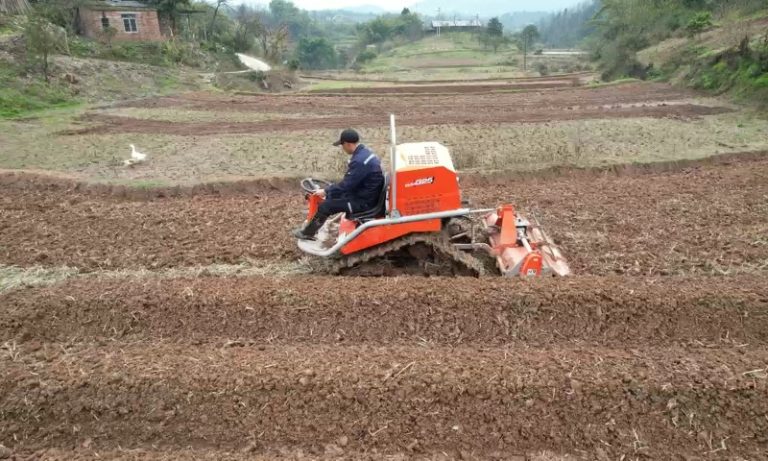
Orchards on hillsides, terraced tea plantations, and sloped vineyards all benefit from tracks. The wider contact area and lower center of gravity give tracked machines significantly better stability on slopes than their wheeled counterparts, reducing the risk of tipping during turns or on side-hills.
- Minimizing soil compaction
Compacted soil restricts root growth and water infiltration, which hurts yields over time. Because tracks distribute weight over a larger footprint, they exert less pressure per square inch — a meaningful advantage for growers focused on long-term soil health, especially in no-till or precision farming systems.
- Narrow rows and orchards
Many tracked implements — including tracked tillers and tracked sprayers — are built with a narrower frame specifically for maneuvering between tree rows or trellised crops without damaging plants.
When Wheeled Equipment Makes Sense
- Open, flat, dry fields
For large-scale grain or row-crop operations on firm, well-drained ground, wheeled machines are usually faster, more fuel-efficient, and require less maintenance than tracked alternatives.
- Road travel between fields
Wheeled equipment moves between plots — or even between farms — much faster and with less wear than tracked equipment, which is generally not designed for extended road use.
- Lower upfront and maintenance cost
Track systems (rubber or steel) are more complex than tires and typically cost more to purchase, repair, and replace. If your terrain doesn’t demand tracks, wheels are usually the more economical long-term choice.
- Higher top speed for time-sensitive tasks
Spraying, planting, and harvesting operations that depend on covering large areas quickly often favor wheeled platforms, particularly on level ground.
A Practical Comparison
| Factor | Tracked | Wheeled |
| Ground pressure | Low | Higher |
| Performance on mud/wet soil | Excellent | Poor to fair |
| Slope stability | Better | Fair |
| Soil compaction | Minimal | More noticeable |
| Road travel speed | Slow | Fast |
| Purchase & upkeep cost | Higher | Lower |
| Best for | Orchards, paddies, hillsides, soft ground | Open fields, row crops, flat dry terrain |
Questions to Ask Before You Decide
- What does your ground look like in the wettest month of the year? Not the average — the worst case.
- Do your fields have meaningful slope, or are they essentially flat?
- Are you moving the machine between distant plots regularly, or working one consolidated area?
- Is soil compaction already a known issue on your land?
- What’s your realistic budget for both the purchase and ongoing maintenance?
Many operations don’t need to choose exclusively — a mixed fleet (tracked for orchards or wet lowland, wheeled for open acreage) is common among mid-to-large-scale growers.
Why More Buyers Are Leaning Toward Tracked Platforms
Over the past several years, demand for tracked agricultural machinery has grown steadily, driven by:
- Increasing adoption of orchard and hillside cultivation in regions with limited flat farmland
- Greater awareness of soil compaction’s long-term impact on yield
- Climate-related increases in unpredictable rainfall and field flooding in many growing regions
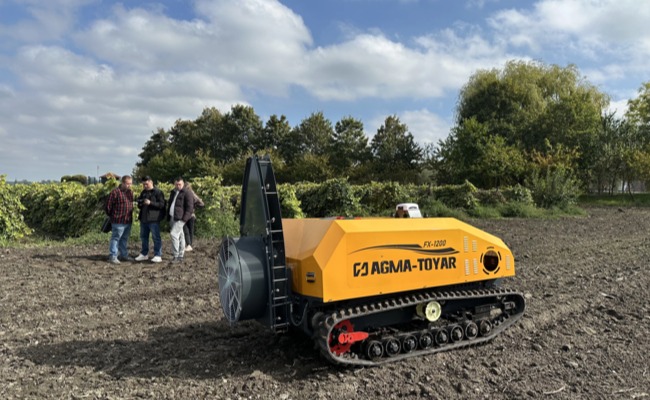
This shift is part of why manufacturers — including Agma-Toyar — have expanded tracked product lines to cover more use cases: tracked tillers for orchard and hillside soil preparation, tracked dumpers for hauling on soft or sloped ground, and tracked sprayers for precision application in narrow rows.
Final Takeaway
There’s no universally “better” option between tracked and wheeled equipment — only the option that’s better for your specific field conditions. Assess your terrain honestly, factor in both purchase price and long-term maintenance, and choose the platform that matches how — and where — you actually farm.
If you’re unsure which setup fits your land, sharing details about your soil type, terrain, and primary crop can help narrow down the right equipment class before you commit to a purchase.
Agma-Toyar manufactures both tracked and wheeled agricultural machinery, including tracked tillers, tracked dumpers, and precision spraying equipment designed for orchards, hillside farms, and soft-ground conditions. Contact us for a recommendation tailored to your farm.

